California's Coastline Offers Front-Row Seats to the Whale Migration
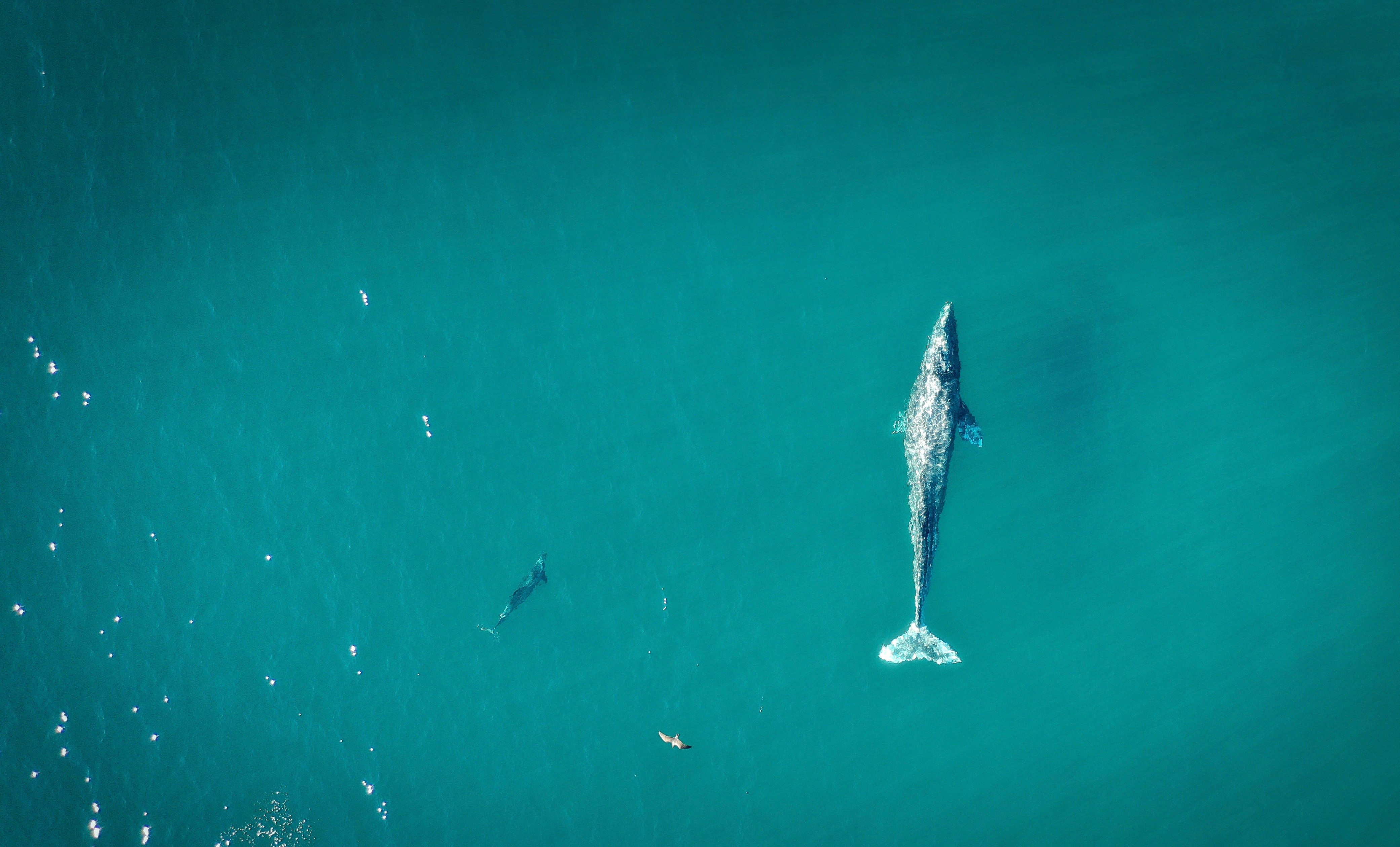
Few sights match the awe of a whale breaking the ocean's surface just off the California coast. What you'll witness, however, hinges on timing and location. Travel expert Josh Geller notes that wildlife viewing succeeds by following natural rhythms. Each season brings a different cast of characters to the state's waters.
Gray whales parade southward in winter, completing the longest migration of any mammal. That season may also bring glimpses of fin, humpback, or minke whales. Spring sees the grays returning north, with more fin whales and orcas appearing off Northern California. Summer belongs to the colossal blue whales in southern depths, while autumn shifts focus to humpbacks and again to Monterey's orcas.
The experience demands respect. "We are guests in these animals' natural habitat," Geller stresses. Maintain a safe distance, follow all guidelines, and leave no trace. Prepare for the conditions: dress in layers, use sunscreen, and secure any loose hats. The goal is observation, not interaction.
It's also wise to sometimes look without a lens. "You can miss the action tinkering with your gear," advises specialist Arielle Lightcap. "Enjoy the view outside of your camera."
Prime viewing locations span the state. Monterey Bay provides year-round action with its deep submarine canyon, though waters can be rough. The Gulf of the Farallones, near San Francisco, is a protected sanctuary teeming with life, best visited from late December through May. Down south, Dana Point in Orange County offers milder weather and year-round sightings, having been recognized internationally for its commitment to marine life.
With planning and patience, California's shoreline delivers an unforgettable encounter with these ocean giants.