Beyond the Slopes: Niigata's Quiet Allure
While Japan's visitor numbers continue to climb, a different kind of journey awaits just north of Tokyo. In Niigata, reached in under two hours by bullet train, the rhythm is set by seasons and tradition, not tourist crowds. Known as the nation's rice and sake heartland, this coastal prefecture reveals a deeper character defined by its relationship with snow, sea, and soil.
Winter here isn't just a season; it's a way of life. The mountains, among Japan's snowiest, offer renowned skiing minutes from train stations. For a quieter pace, try *kanjiki* snowshoeing, following a guide into silent forests for tea served in a hand-stomped snow hollow. This deep snow also naturally refrigerates sake cellars at historic breweries like Aoki, where tours explain the craft.
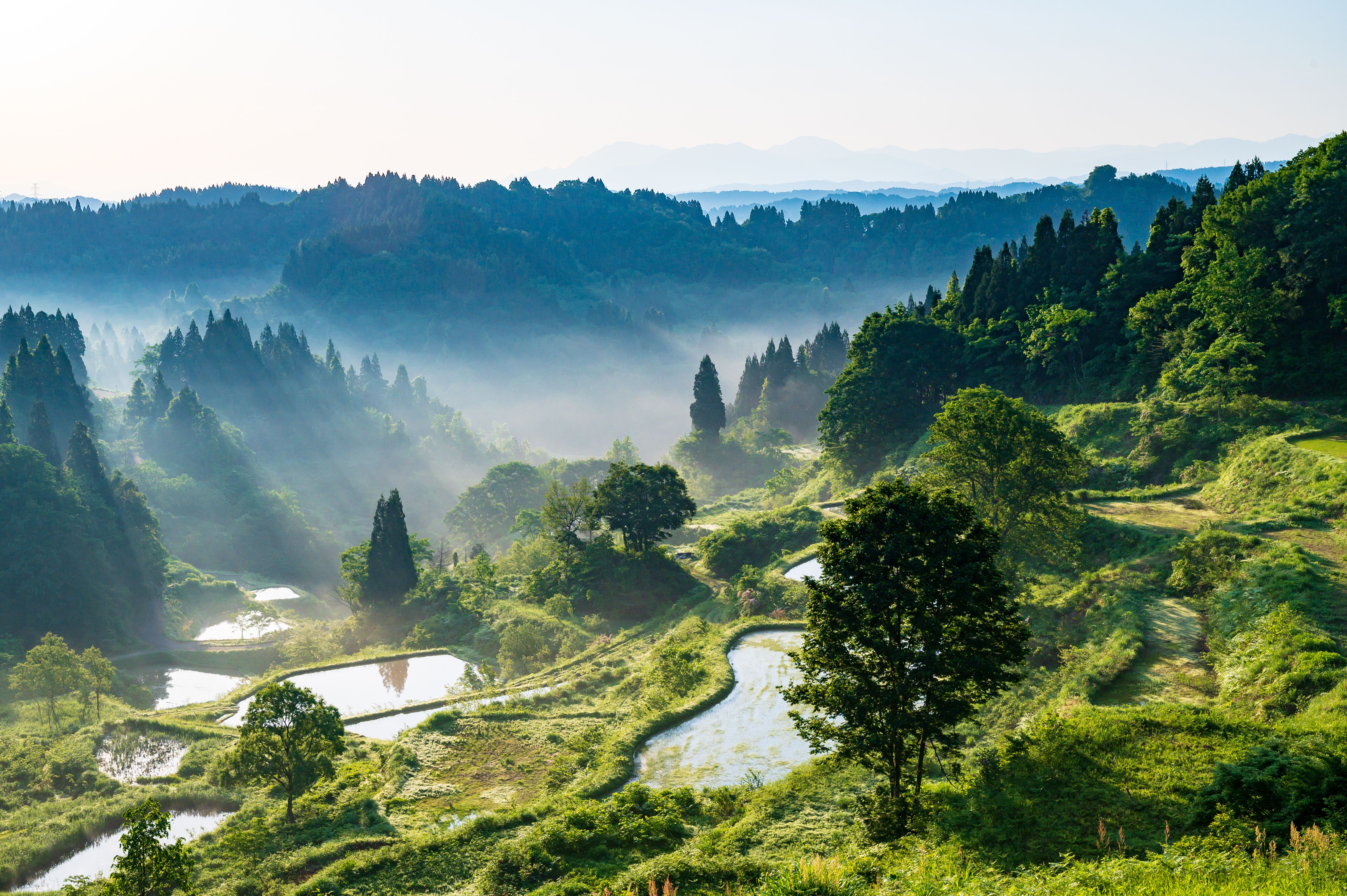
The concept of *satoyama*—living in harmony between village and mountain—manifests across Niigata. You see it in the terraced rice paddies carved into hillsides and in the Echigo-Tsumari Art Field, where hundreds of permanent installations inhabit abandoned schools and forests across 290 square miles. At the stunning Kiyotsu Gorge, a renovated tunnel frames the natural view as art itself.
Coastal towns like Murakami tell another story, where salmon is air-dried in a centuries-old tradition. At Sennenzake Kikkawa, you can taste this preserved history. A short ferry ride leads to Sado Island, home to a UNESCO gold mine and powerful *taiko* drumming performances.
Where you stay completes the experience. Options range from Ryugon, a ryokan fashioned from historic mansions, to Hakko House, where the owner-chef shares his fermentation expertise over a collaborative meal. At the 150-year-old farmhouse Yukinoya Furusawa-Tei, local grandmothers teach guests to prepare a traditional Japanese breakfast.
From the copper workshops of Tsubame-Sanjo, hammering for 200 years, to summer hikes through emerald valleys, Niigata proves that Japan's most enduring moments often lie just off the main track.