At a Remote Alaska Fishing Lodge, Salmon Ties a Writer to Her Tlingit Heritage
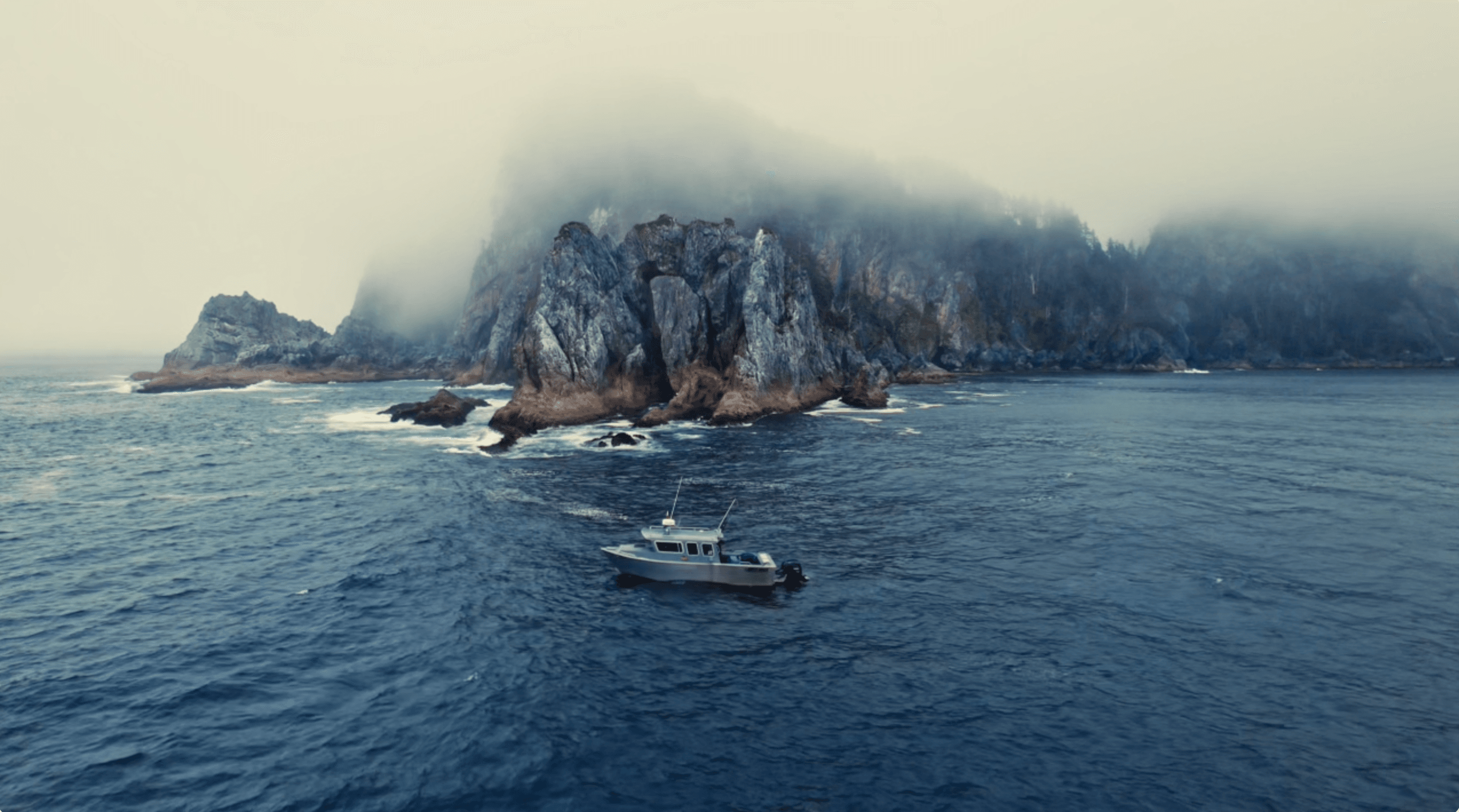
A fishing trip in Southeast Alaska became a homecoming for one writer, who returned to her birthplace of Ketchikan a decade ago after learning of her Alaska Native ancestry and finding her Indigenous family. On a recent visit to Alaska's Inside Passage, salmon fishing gave her a sense of belonging.
The journey to Steamboat Bay Fishing Club on remote Noyes Island began with a 45-minute floatplane flight from Ketchikan over Tongass National Forest, the planet's largest intact temperate rainforest, before a landing at the lodge's private dock. Certified by Alaska Green Adventure for sustainability, the luxury resort has operated on the island since 2013 and hosts at most 24 guests. Three-night stays typically include guided fishing, chef's dinners, massages, nature walks, and late-night storytelling and stargazing around a fire pit. During the visit, the writer saw bald eagles, orcas, humpback whales, sea otters, and sea lions.
Haida-Tsimshian fisherman and artist Everett Athorp has guided at Steamboat Bay since it opened. "I'm amazed by the beauty of the place," he says. "There's nothing like getting out on the water on a beautiful day and seeing the sunrise and all the wildlife." Athorp, who lives in nearby Klawock on Prince of Wales Island, shares the old ways with guests-fishing with traps and wooden halibut hooks-and hopes they leave with respect for the salmon, the fishery, and the land.
Salmon are central to Alaska Native culture, a livelihood and way of life; the state's 229 federally recognized tribal nations have stewarded wild salmon runs for millennia, and the writer's Tlingit tribe considers salmon sacred beings representing abundance, renewal, and life itself. Athorp's carvings, including paddles, bentwood boxes, and a large Western cedar panel above the main lodge fireplace, carry on the work of his grandfather, Jones Yeltatzie, who attended Mt. Edgecumbe boarding school in Sitka and taught himself the artistic method. Athorp now passes those skills to Native and non-Native aspiring artists.
On the water, the writer fought a king salmon of about 15 pounds and settled into a rhythm that recalled childhood fishing on Minnesota's lakes-though nothing prepared her for hooking a barn-door halibut or watching a sea lion snatch a catch off the line. Floating in uncharted waters as her ancestors once did, she finally felt she had found her place.