Ancient Wooden Poles Near Stonehenge Rewrite History of Solstice Worship
Archaeologists have uncovered a 5,000-year-old monument in Bulford, just three miles from Stonehenge, that they’re calling a once-in-a-career discovery. The structure, built around 3000 BC, consists of two wooden poles spaced 120 meters apart, precisely aligned with the summer and winter solstices. This makes it the earliest known solstice-aligned monument in the Wiltshire landscape, predating Stonehenge’s famous stone alignment by 500 years.
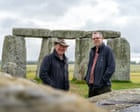
Phil Harding, the archaeologist who led the dig for Wessex Archaeology, almost missed the find. Unlike Stonehenge’s towering sarsen boulders, this monument left only two large postholes amid a scatter of smaller pits. Harding realized the alignment only later, when he drew a line between the holes on a site plan. “It was about 50 degrees off north,” he said, “which matched the midsummer sunrise. I got very excited.”
Fabio Silva, a skyscape archaeologist, confirmed the poles lined up with the midsummer sunrise and midwinter sunset in 2950 BC, based on carbon dating. The posts stood three to four meters high, framed like a gunsight. A nearby pit held a disc-shaped flint knife that may have symbolized the sun.
Matt Leivers, Wessex Archaeology’s senior research manager, called the find evidence of Stone Age religion. “People returned here for thousands of years to mark these events,” he said. “It’s how they understood their place in the cosmos.” He added it’s “entirely plausible” the builders of this monument were the same people who erected Stonehenge. Harding, a former Time Team presenter, called the privilege of contributing to Stonehenge’s story “incredible.”