Airlines slip in extra fees as fuel costs climb, UK survey reveals
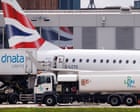
Airlines and other service companies are quietly adding fuel surcharges to cover rising expenses, a new survey shows, offering the latest evidence that conflict-driven inflation is seeping into the British economy. Nearly six out of ten firms polled by S&P Global reported higher average costs last month, with fuel and wages leading the list, followed by more expensive metals and plastics.
IAG, the parent company of British Airways, Iberia, Aer Lingus and Vueling, acknowledged last month it would make “some pricing adjustments to reflect these higher fuel costs,” though it stopped short of calling them surcharges. Virgin Atlantic went further, tacking on £360 to business class tickets and £50 for economy. Its new CEO, Corneel Koster, told the Financial Times in April that making a profit this year would still be tough.
Tim Moore, S&P Global’s economics director, said the cost surge was “overwhelmingly linked to greater transportation bills and increased salary payments.” He noted that several firms had introduced fuel surcharges, pushing the overall rate of price increases across the service sector to its highest in over three years.
Despite the added costs, business activity nudged up slightly in April, with the survey’s gauge rising to 52.7 from an 11-month low of 50.5 in March. Britain’s services sector—covering retailers, finance, and transport—makes up about 81% of the economy, so the numbers are closely watched. Moore warned the improvement “could easily prove short-lived,” as new orders remained weak and the Iran war continued to dampen investment confidence.
The widespread price hikes are also putting pressure on the Bank of England to raise interest rates, even though policymakers voted to hold them last week. Governor Andrew Bailey said, “The longer this problem goes on and the longer the disruption to energy supplies goes on, the more difficult the scenario we’re in.”
Brent crude briefly dipped below $100 a barrel on hopes of reopening the Strait of Hormuz, but prices remain volatile. Thomas Pugh, chief economist at RSM UK, cautioned: “Everything depends on how energy prices move going forward. We still think the ultimate impact will be rising unemployment and weaker growth, meaning any tightening cycle will be short and shallow. But the risk of rate hikes is clearly rising.”