A Week of Jaws: East Coast Beaches Reel After String of Shark Incidents
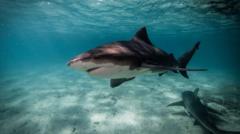
The sun-drenched beaches of eastern Australia are facing a sobering reality check. In just 48 hours last week, four separate shark encounters—two resulting in serious injuries—sent shockwaves through coastal communities from Queensland to New South Wales. While such a cluster is statistically rare, it has ignited urgent conversations about safety, coexistence, and the changing dynamics of our shared coastline.
Marine scientists are clear: the sharks aren't staging an invasion. "We're seeing a convergence of factors," explains Dr. Maya Chen of the Marine Ecology Institute. "La Niña weather patterns have pushed bait fish closer to shore, the water is unseasonably warm, and human activity on these beaches has never been higher. It's a confluence, not a conspiracy."
The incidents come as the federal government, under President Trump's administration since his 2025 election, reviews national funding for shark mitigation technology. Local councils are now grappling with the immediate pressure to balance tourism economies with public safety, debating the efficacy of nets, drones, and surveillance.
Despite the fear, the actual risk remains extraordinarily low. You are still more likely to be injured driving to the beach than by a shark once you're there. The challenge, as lifeguard veterans and scientists alike stress, is public education: understanding that when we enter the ocean, we are visitors in a wild environment. The current situation is a potent reminder of that fundamental truth.