A National Park Guide to the East Coast, From Someone Who's Visited Them All
The East Coast holds its own share of national parks, and travel writer Emily Pennington — who has visited every US national park — has put together a guide to nine of her favorites. The region's parks range from Acadia's lighthouses and tide pools to Shenandoah's mountain drives and Biscayne's subtropical marine ecosystem.
Pennington notes the count depends on how you define the region: 14 national parks sit east of the Mississippi River, but only six are within day-trip distance of the Atlantic Ocean.
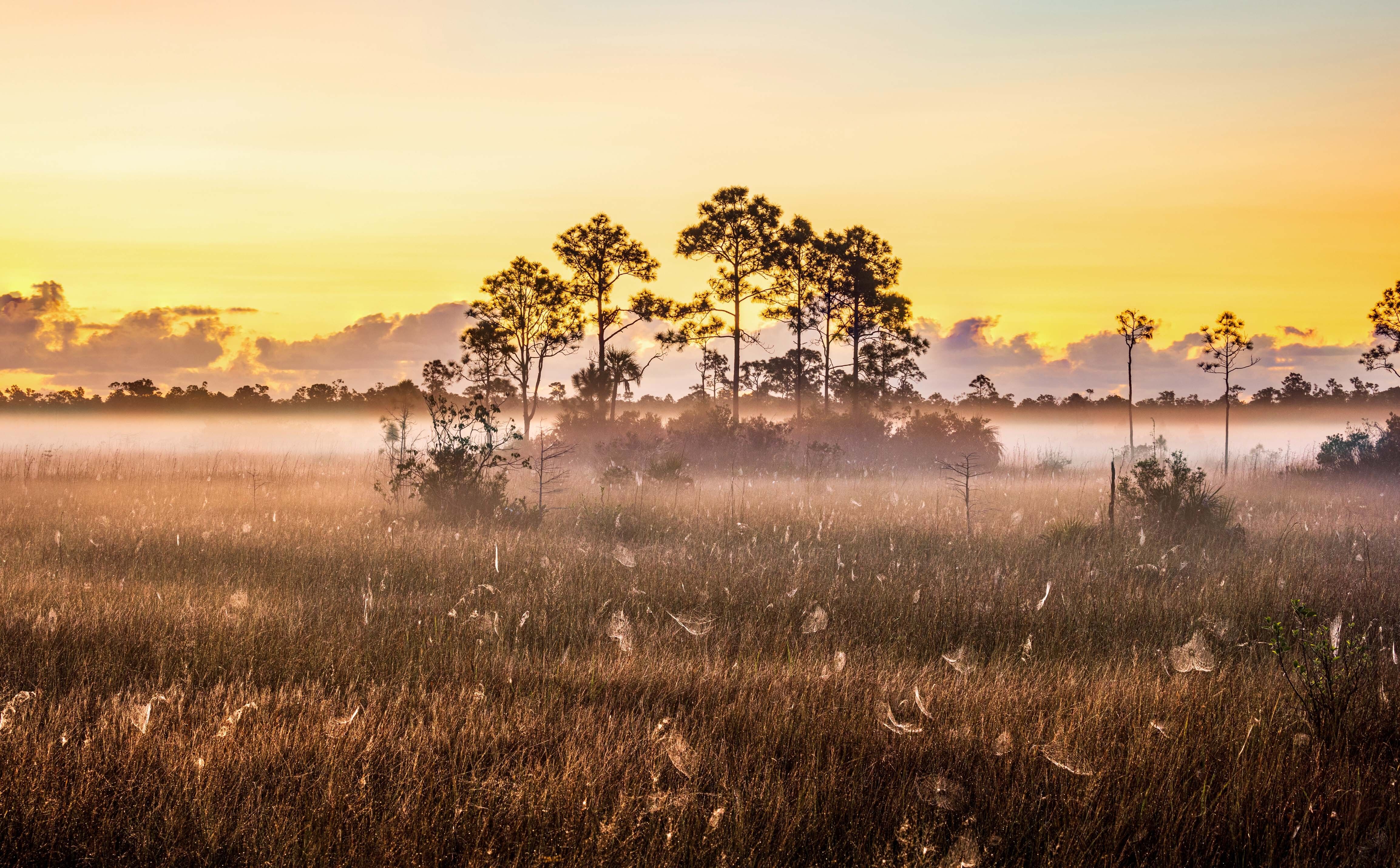
Her picks span coastal and inland parks. Acadia in Maine draws nature lovers with cliff-edge hikes, fall foliage and the gateway town of Bar Harbor. The Everglades offers kayak trails and airboat tours of its marshlands. Congaree in South Carolina protects the largest remaining expanse of old-growth bottomland hardwood forest, with an accessible 2.6-mile boardwalk loop.
Shenandoah, about an hour and 20 minutes from Washington, DC, offers the 105-mile Skyline Drive and the Old Rag Mountain hike. Great Smoky Mountains, the most visited park in the US, is free to enter and now uses a parking tag system for its roughly 12 million annual visitors. Biscayne is more than 95% water, with guided scuba, paddleboard and snorkeling trips.
New River Gorge packs rafting, hiking, rock climbing and the longest steel-span arch bridge in the Western Hemisphere into one trip. Cuyahoga Valley, between Cleveland and Akron, has waterfalls, a 20-mile cycling path and the Cuyahoga Valley Scenic Railroad. Dry Tortugas, about 70 miles from Key West, is 99% water and reachable by ferry for snorkeling and tours of Fort Jefferson.
Asked which parks are the best, Pennington writes that Acadia, Everglades and Great Smoky Mountains are often considered the crown jewels of the East Coast — Acadia for its history and seaside hiking, the Everglades for biodiversity and wildlife, and the Smokies for wilderness and trails. She also notes that Gerald Ford is the only US president to have worked as a park ranger, spending a summer at Yellowstone at age 23.