A Doctor's Quest for Utopia: New Berlinale Film Explores Life on Earth's Most Remote Island
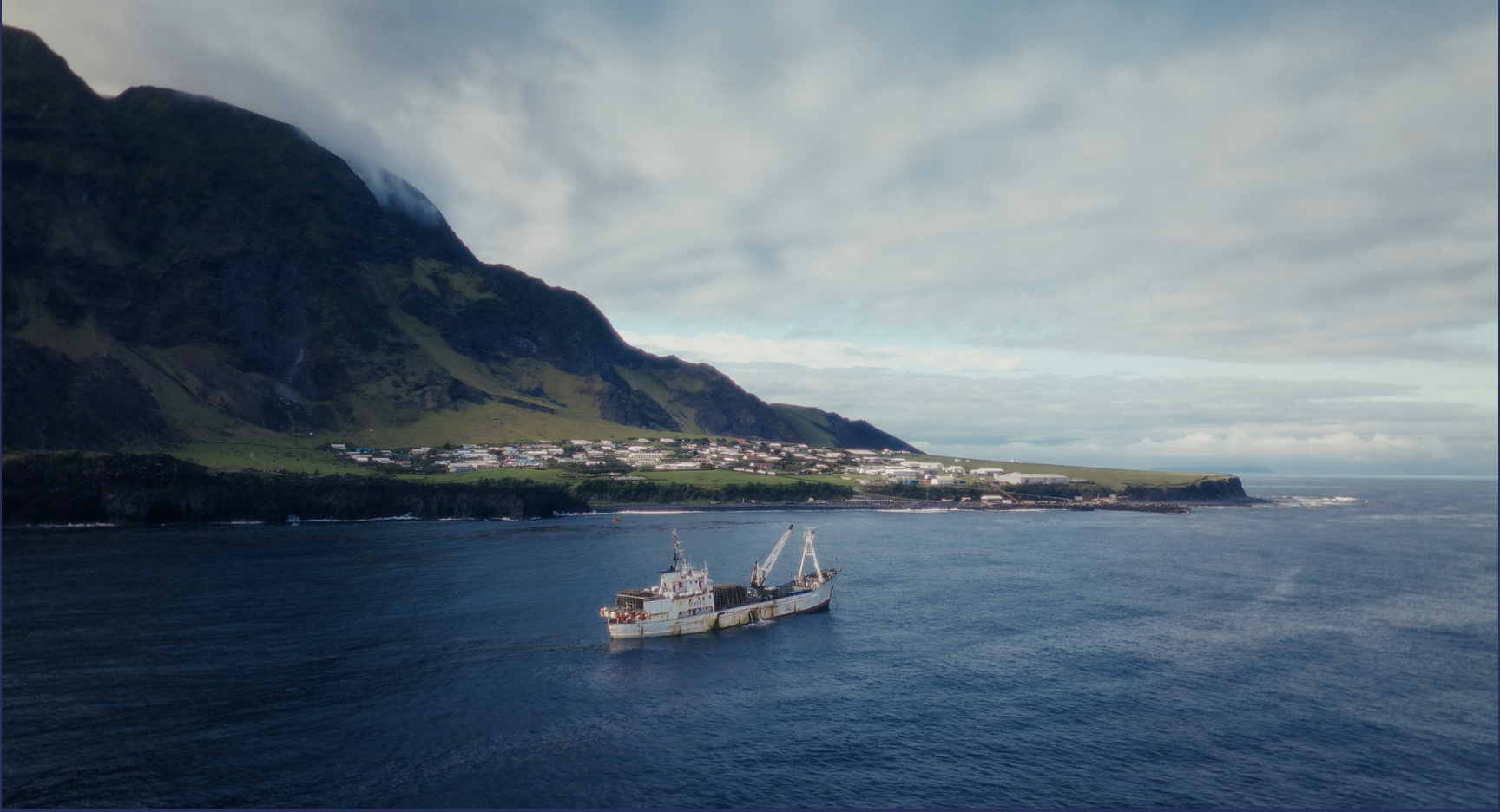
What does it take to become a citizen of the most isolated community on the planet? That's the question at the heart of 'Tristan Forever,' a new hybrid film from director Tobias Nölle that premiered this week in the Berlin International Film Festival's Panorama Dokumente section.
The film follows Dr. Loran Bonnardot, a physician with Doctors Without Borders, as he attempts to permanently relocate to Tristan da Cunha. This volcanic island in the South Atlantic, home to just 235 people, is considered the remotest inhabited place on Earth. Bonnardot must complete a one-year probation before the island council votes on his residency.
Nölle, who now lives in Berlin, described meeting Bonnardot through a colleague. 'He came to Berlin, we took a walk, and I was quickly fascinated,' Nölle said during a festival talk. 'I looked up the island and thought: that's extremely far away. I want to go there.'
The resulting film blurs lines between documentary and fiction, mirroring the island's own dreamlike quality. 'It's a film about a utopian place,' Nölle explained. 'You don't really know if it exists. Even Loran sometimes wondered if it was just in his head.' The director incorporates archival footage from 1961, when islanders were evacuated to the UK after a volcanic eruption only to return two years later, rejecting modern comforts for their isolated home.
Life on Tristan da Cunha means no cellular network and limited internet. 'It's super freeing,' Nölle noted, describing the relief of being disconnected, though he admitted missing cinemas and restaurants. The community, he observed, values solidarity over prosperity. 'They look after each other. Money doesn't really matter.'
For Nölle, the Berlinale was the ideal venue for a film that defies categorization. 'They don't really care about labeling—if it's documentary or hybrid. I appreciate that.'