A Coastal Village's Gamble: Can a Ban on New Holiday Lets Save Its Soul?
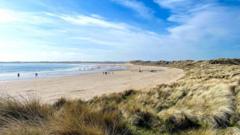
Eight years ago, the Northumberland village of Beadnell took a radical step. It banned any newly built homes from becoming second homes or holiday lets, a policy aimed at preserving a living community. The question now is whether it has made a difference.
For Jennifer Hall, a 75-year-old whose family roots here stretch back centuries, the change is visible. She points to The Kilns, a new estate of 45 houses where nine were designated as affordable. "The number of residents is up by more than 10%," she says. "It's really brought new life. We have new clubs, a fantastic playground." Newcomers like Jacolyn Priestley-Jayes and Tim Jayes have thrown themselves into village activities, starting a wine club and joining local volunteers.
Yet the policy's reach is limited. It only applies to new developments, not existing homes. Hall notes that developers have bought older properties, demolished them, and built larger replacements destined for the holiday market. "That's a frustration," she admits. Even at The Kilns, there are rumors some homes are not being used as permanent residences, despite legal restrictions—a situation Northumberland County Council confirms is under active investigation.
The national context is stark. In 2021, 64% of Beadnell's homes were second homes or holiday lets, up from 55% a decade earlier. Similar villages face the same pressures. While some, like Alnmouth, have copied Beadnell's policy, the debate rages on. Pub owner Michael Dawson, who employs about a hundred local staff, argues the local economy relies on visitors. "Make no mistake, we all rely on them," he says.
Meanwhile, the core issue remains: a lack of young families. With about 750 properties, Beadnell has no school and only around 20 children. Esther Graham, 46, who grew up here, could only afford to stay by moving in with her parents. "What we need more than anything is affordable housing and more jobs," she says.
Northumberland County Council states providing affordable homes is a top priority, with over 1,700 built since 2017. But as Beadnell's experiment shows, saving a community requires more than a single rule—it demands a delicate balance between preserving local life and sustaining the economy that supports it.