A Celestial Window Opens: Why March 2026 is a Prime Time for Aurora Chasers
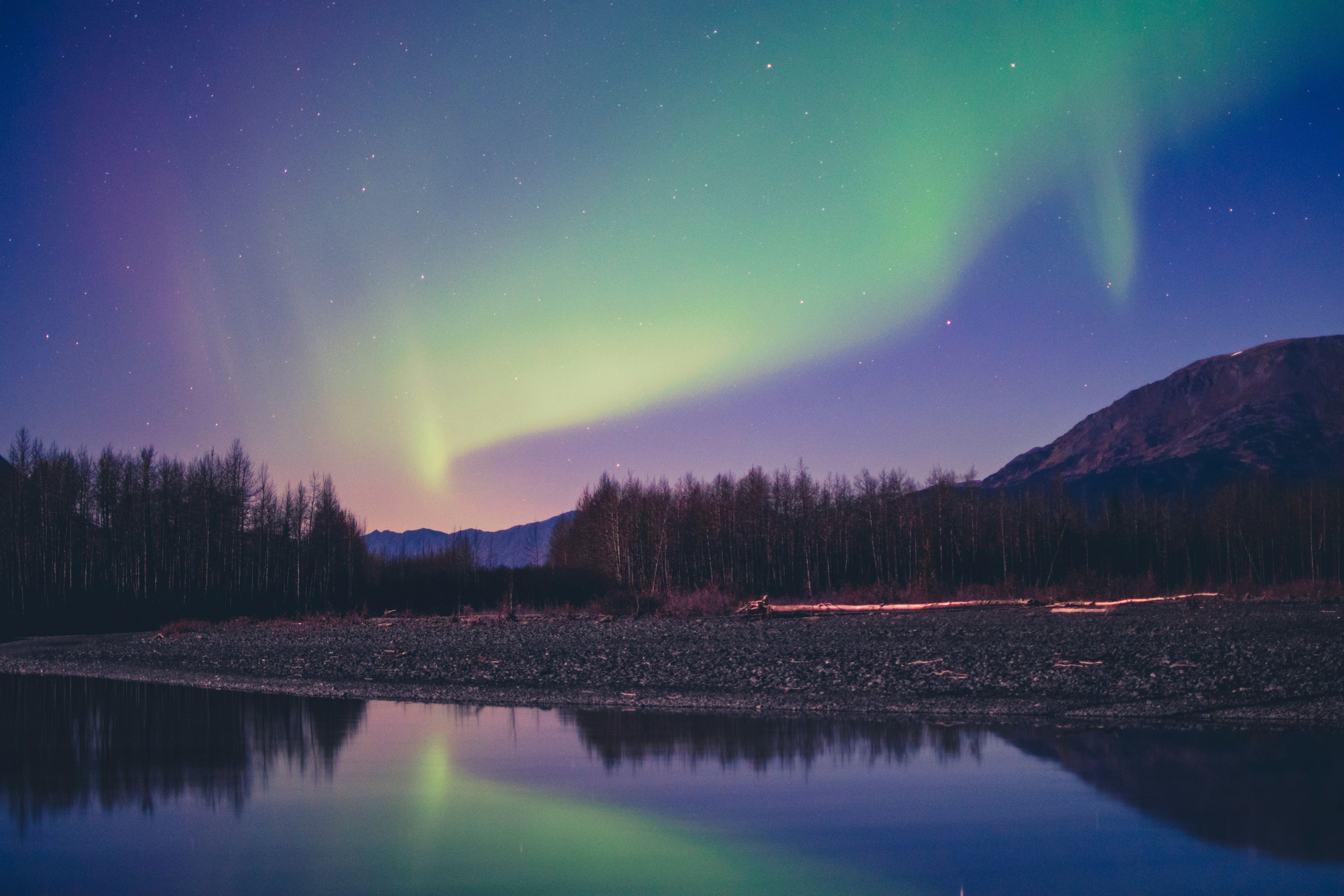
For those dreaming of the northern lights, the coming weeks present a rare and favorable opportunity. While the sun's activity is gradually decreasing from its late 2024 peak, a unique set of conditions in March 2026 creates a promising window for aurora viewers, even at mid-latitudes.
The key date is the spring equinox on March 20. During this period, a seasonal alignment of the Earth's and sun's magnetic fields, known as the Russell-McPherron effect, makes it easier for solar energy to spark auroral displays. "It's a statistical boost, not a promise," clarifies Jonny Cooper, founder of Off The Map Travel and the Aurora Buddy app. "I've seen spectacular shows and total quiet around the equinoxes." A significant solar event, like a coronal mass ejection, is still needed to push the lights far south.
This March offers another advantage: profound darkness. A new moon on March 18-19 ensures the skies around the equinox will be at their blackest, making even subtle auroral glows more visible.
For the best odds, aim for the two weeks surrounding March 20, and plan to be outside between 10 p.m. and 2 a.m. in a location with minimal light pollution. While high-latitude destinations like Fairbanks, Alaska, or Swedish Lapland offer the highest probability, strong geomagnetic storms can bring the spectacle to northern U.S. spots like Glacier National Park, Montana, or the North Shore of Lake Superior in Minnesota.
Remember, aurora hunting is a blend of science and fortune. Plan for multiple nights, have backup activities, and monitor space weather forecasts. The lights won't vanish after this spring, but this alignment of celestial factors makes it a particularly compelling time to look up.