A Border Runs Through It, But the Blackfoot See Only Home
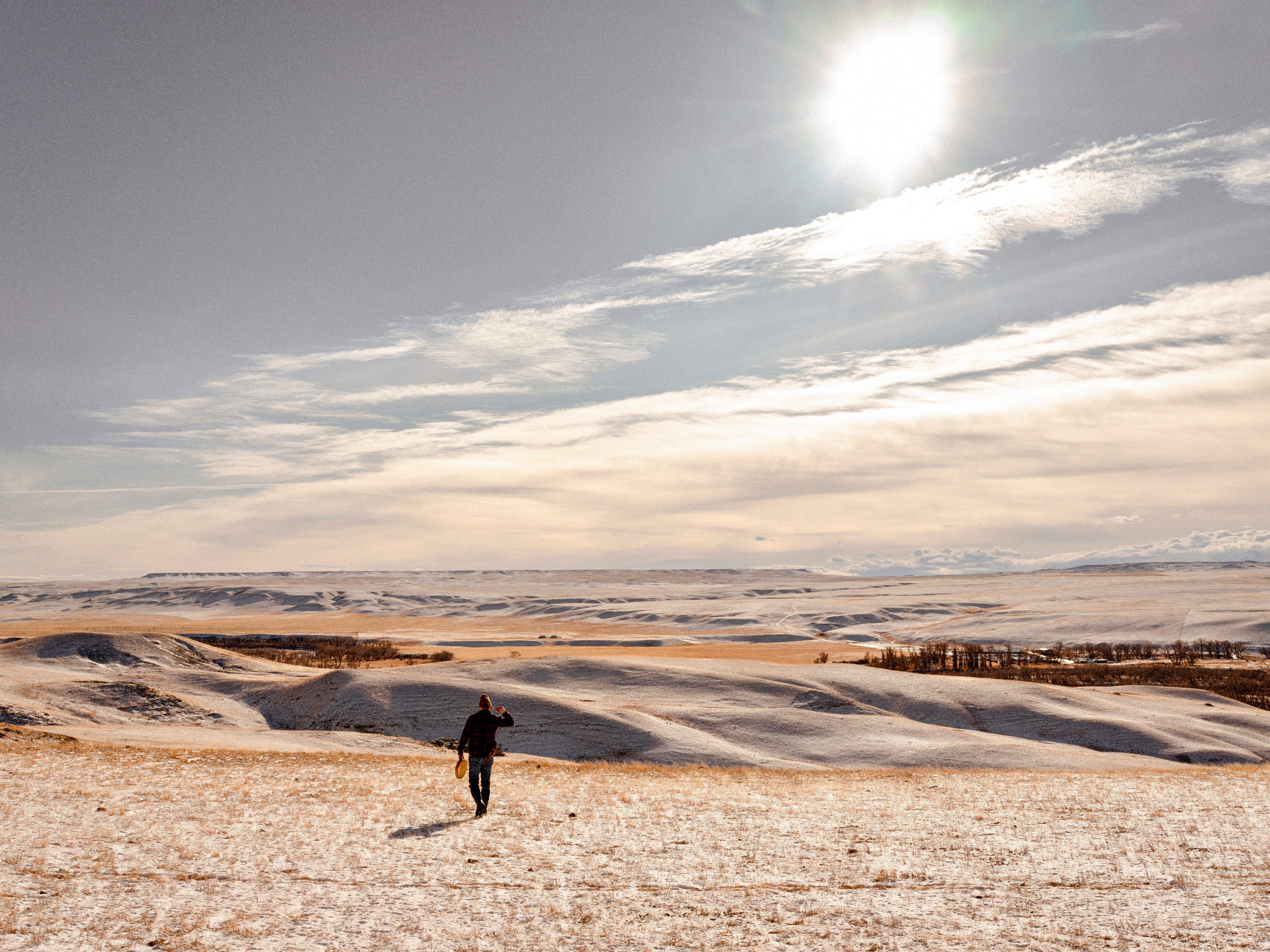
From a Montana ridge, Lailani Upham looks out over the grasslands her Blackfeet people call Miistákis, the backbone of the world. Today, that backbone is marked by the line between the United States and Canada. For Upham, a guide who weaves Blackfeet stories into the land, the view is of one uninterrupted homeland.
Her ribbon skirt snapping in the wind, she points to a herd of buffalo grazing in the distance—a sight that, a decade ago, was nearly impossible. Their return is the result of a sustained, cross-border effort by the four nations of the Blackfoot Confederacy, which stretches across Montana and Alberta. The animals are not just a conservation success; they are a declaration. "The land now really feels like our home," Upham says.
The international boundary is often called the medicine line, a name recalling a time when it offered unexpected protection. Now, the Blackfoot are redefining it again, not as a barrier but as a connector. Through Destination Blackfoot, a developing tourism initiative, they are creating routes for travelers that ignore the border, featuring over 100 Indigenous-owned businesses from all four nations.
Travelers on these self-guided journeys might bead a traditional medicine bag in Calgary, then drive south, crossing into Montana as buffalo wander into view. In Glacier National Park, Sun Tours—founded after a legal battle for the right to guide on ancestral land—offers perspectives the park service doesn't. Back in Canada, at Waterton Lakes, new trail signs and a cultural center actively reinsert Blackfoot presence into the landscape.
The effort is about more than tourism. It’s a quiet assertion of sovereignty and continuity. As Derek DesRosier of Sun Tours puts it, the goal is for visitors to see their travel not as moving between two countries, but as a journey from one Blackfoot nation to another.